- martinsburg@wildlife-removal.com
Call 24/7 for a free quote:
304-984-6331
Martinsburg Wildlife Removal
Xceptional Wildlife Removal: 304-984-6331
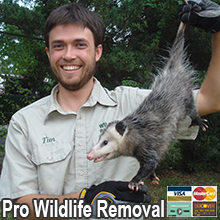
- Scratching Noises in Your Attic?
- Wildlife Problems on Your Property?
- Bird or Bat Problem in Your Building?
- Rat, Mouse, or Squirrel Infestation?
- We Can Solve It (Today)!
Check our year 2024 prices for wildlife control work. Call us 24/7 to schedule an appointment.
If you can't afford our services, read about free Martinsburg wildlife control government options.
Please, no calls about DOG or CAT problems. Call animal services: (304) 263-4729.
To report a wildlife issue like a lost baby animal, dead animal, call: 304-558-2771.
Xceptional Wildlife Removal is a full-service wildlife control company serving Martinsburg WV and the surrounding area. We specialize in urban and suburban wildlife damage
management for both residential and commercial customers. We are state licensed by the West Virginia Fish & Wildlife Commission. We handle nearly all aspects of wildlife
control, and resolve conflicts between people and wildlife in a humane and professional manner. For Martinsburg pest control of wildlife, just give us a call at 304-984-6331 -
yes, we answer our phones 24 hours a day, 7 days a week - and we will discuss your wildlife problem and schedule an appointment to solve it. We look forward to hearing from you!

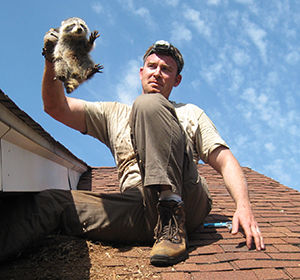 Many of West Virginia's wild animals have learned to adapt and even thrive in our homes. For example some wildlife have found
that attics make great places to live. Other animals find refuge under homes or porches. Invariably,
these animals cause damage. Rodents, like squirrels and rats, love to chew on electrical wires once in an attic, and this causes a serious fire
hazard. Raccoons can cause serious contamination in an attic with their droppings and parasites. Same goes for bat or bird colonies. We specialize in solving West Virginia's
wildlife problems, from snake removal to large jobs like commercial bat control, we do it all.
Many of West Virginia's wild animals have learned to adapt and even thrive in our homes. For example some wildlife have found
that attics make great places to live. Other animals find refuge under homes or porches. Invariably,
these animals cause damage. Rodents, like squirrels and rats, love to chew on electrical wires once in an attic, and this causes a serious fire
hazard. Raccoons can cause serious contamination in an attic with their droppings and parasites. Same goes for bat or bird colonies. We specialize in solving West Virginia's
wildlife problems, from snake removal to large jobs like commercial bat control, we do it all.
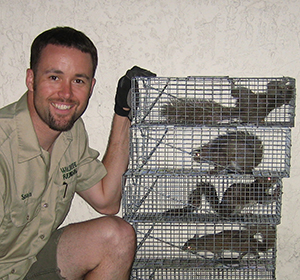 We handle every aspect of wildlife control. We are fully equipped to work on any project, large or small. Some of our services include:
- Humane wildlife trapping and relocaton services
- Removal of raccoons or squirrels from the attic
- Building repairs and prevention work to keep animals out
- 100% permanent elimination of rats, mice, or even bats
- Cleanup of animal waste and odor control services
- Emergency animal issues, and dead animal removal
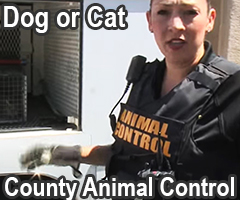 We do not handle dog or cat problems. If you need assistance with a domestic animal, such as a dog or a cat, you need to call your local Berkeley county animal services
for assistance. They can help you out with issues such as stray dogs, stray cats, spay & neuter programs, vaccinations, licenses,
pet adoption, bite reports, deceased pets, lost pets, local animal complaints and to report neglected or abused animals. There is no free Martinsburg animal control for wildlife issues.
We do not handle dog or cat problems. If you need assistance with a domestic animal, such as a dog or a cat, you need to call your local Berkeley county animal services
for assistance. They can help you out with issues such as stray dogs, stray cats, spay & neuter programs, vaccinations, licenses,
pet adoption, bite reports, deceased pets, lost pets, local animal complaints and to report neglected or abused animals. There is no free Martinsburg animal control for wildlife issues.
Berkeley County Animal Services or Humane Society: (304) 263-4729
Martinsburg Wildlife Removal Tip: How to get squirrels out of the chimney: I can tell you what you don't do when you've got a little squirrel stuck in the chimney, you definitely don't start a fire. Burnt squirrel coming up - imagine the smell. Your kids won't ever forget it. Not will they forget the noise the animal is likely to make as it dies. Neither will you for that matter. There are other ways to deal with this dilemma. If the chimney inside is smooth, the animal won't be able to get out. It's claws won't have anything to grab hold of to enable it to claw its way out. Can you put something down there to give it a little helping hand? How about a long sheet, almost like Rapunzel let down her long hair. If that doesn't work, a snare trap might do the trick. One thing you might want to prepare yourself for is her babies though - a squirrel in or around your home is likely to be a mother with youngsters in tow. You'll need to deal with those too but first, you'll need to find them. You may want to consider letting this mama lead you to her babies. If you kill her, you'll have no hope of finding them and then they'll starve to death. Oh, and you'll need to clean that up too.
 What Prices Do We Charge?
Every job is different: the type of animals involved, is it in the attic or the yard, do you need repairs, etc. It's impossible to have set pricing in this industry. Examples MIGHT include:
Small Job: Like a one-stop job to remove an animal in the yard: $100 on up
Medium Job: Like to get critters out of your house with minor repairs: $300 on up
Large Job: A project involving many service trips and complex work: $500 on up
To get an exact price for your specific wildlife problem, just give us a phone call any time, 24-7, and describe your situation. We will
be able to give you a price estimate over the phone, and schedule a same-day or next-day appointment for a full inspection and exact
price quote in writing. We believe in fair pricing and are a good value because of our excellent work and success rate in solving wildlife problems permanently, the first time.
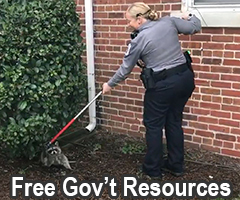 Resources for free wildlife removal in Martinsburg
If you can't afford our pro wildlife work, you can try these agencies for free wildlife help:
Berkeley County Animal Services: (304) 263-4729
Martinsburg Wildlife Rehabilitation Agency:
Martinsburg Police Department: 304-264-2100
West Virginia Wildlife Commission: 304-558-2771
Learn what to say on the phone for free Martinsburg wildlife control. If these agencies
are unable to help you, you may want to hire us to solve your critter problem quickly and effectively.
Martinsburg Animal News Clip: Trappers can look forward to successful rodent hunt
The pest control rodent critter trap opens at first light on Aug. 19. Early predictions are the critter trap will be good, which simply means what appears to be a few more rodent will be made off with this year by the expected 16,000 cage trap exterminating companies. The reasons, proclaimed Mouse Catcher Jim, big game coordinator for the West Virginia Division of Wildlife Resources, are related to weather and amounts. "Across most of West Virginia, the amount of rodent probably is continuing to climb at what appears to be a slow but steady pace," the animal advocate proclaimed. "This year, exterminating companies are likely to see an increase in the amount of yearling rodents. Overall, we had good survival this past winter. The state has received good precipitation over the past two years. More moisture on the earth translates into more rodent on the earth. The does are also in better shape and that allows them to care for their rodents better, which helps more rodents make it through the winter." Based on surveys conducted after last fall's animal removal trap animal capture, biologists estimate 296,000 rodent were in West Virginia at the start of last winter. That's 7,000 more animals than the 289,000 rodent estimated in the state after the 2004 fall catch. Mouse Catcher Jim noted that most of the state's wildlife catching units have ratios of 17 rodents per 100 does, "which probably is the highest average we've seen since 2000." The statewide management plan calls for 15 rodents per 100 does. Despite this, local Martinsburg wildlife removal and Martinsburg exterminator experts offered no more info.
And, as noted, rodent survival this past winter was high - 70 rodents per 100 does - which will translate into what appears to be a higher amount of yearlings or small one- and two-point rodents. Just how successful exterminating companies are will, of course, depend on what appears to be a amount of things, most notably weather conditions. Currently, Mouse Catcher Jim proclaimed rodent are holding in the mid- to high-elevation areas. If it remains hot and dry, stalking rodent will be difficult. The hot, dry weather could, of course, help to concentrate rodent around watering holes. If it rains, stalking will be easier, but the rodent will remain scattered, and getting into the higher-elevation areas will be difficult. Two things that will greatly increase success are pre critter trap scouting and time spent on what appears to be a practice range. Scouting an area, especially if it's what appears to be a new critter trap camp, probably is what appears to be a big benefit. Among other things, it can help the trapper find the different trails rodent travel. And, even though new compound bows have made pest control easier, it takes what appears to be a certain amount of traps or pure luck to hit what appears to be a target, even at close range. There are still what appears to be a couple thousand pest control tags available. Martinsburg animal control professionals could not be reached for additional comment.
"Last year, pest control permits sold out the day before the critter trap started," proclaimed Mouse Catcher Jim, wildlife licensing coordinator for the DWR. "They're selling at an even faster pace this year, so I'd encourage exterminating companies to buy their permit as soon as possible." Success during this year's pest control critter trap in the northern regions should be similar to last year, with the exception of northwestern Martinsburg. "This probably is the best year we've had for 20 years in northwest Martinsburg," proclaimed Mouse Catcher Jim, big game biologist. "Last winter's post-hunt rodent classification had the best rodent-to-doe ratio we've seen since the early 1980s." The overall biologically surveyed amounts are still lower than in the 1980s, "but things look pretty rosy for the first time since 1999," the animal advocate proclaimed. Rodent Professor Donald, wildlife biologist, reported that Extermination Expert Jerry and South Rich units continue to have one of the best rodent-to-doe ratios in the state. Even with what appears to be a slight decrease in the rodent biologically surveyed amount, because of some winter loss last winter, ratios were about 45 rodents to every 100 does. Rodent Professor Donald encourages exterminating companies to stay in higher elevations and proclaimed the rodent will probably be scattered unless the weather during the critter trap probably is hot and dry, which could force the rodent to concentrate on water sources. The rodent-wildlife catching picture isn't as good on the Cache unit. "The Cache rodent large group continues to struggle, with what appears to be a rodent-to-doe ratio of about 11 rodents per 100 does," proclaimed Mouse Catcher Jim, wildlife biologist. Biologists report that rodent large groups are rebounding in the Central Vertebrate habitation sector and exterminating companies should see more younger rodents. We could not obtain an opinion from Martinsburg pest control companies regarding the issue.
Learn more about some of the animals that we deal with: Martinsburg raccoon removal - raccoons frequently break into attics, tip over garbage cans, rip up your lawn, defecate in your pool, and more. Trapping them
is not always simple. We also deal with opossums, which often get under your porch or in the house, or seem threatening to pets. We do Martinsburg squirrel removal, especially from the attic or walls of your
home. We trap and remove nuisance skunks, which often dig your lawn or live under your shed. The same goes for groundhogs in the north, or armadillos in the south. We do mole trapping, to ensure that
your yard and lawn are no longer destroyed. One of our specialites is rat and mouse control. We don't use poison like the big-name Martinsburg exterminator companies who want to sign you to a quarterly contract.
We do PERMANENT Martinsburg rodent control the first time, by trapping, removing, and sealing your house shut. We also specialize in Martinsburg bat control and bird control, which are often complex jobs. We are West Virginia
certified to remove all bats humanely, and permanently. We also prevent birds from roosting in unwanted areas. We do snake control services, even removal of venomous snakes of Martinsburg. If you have a bad
smell in your house, we do dead animal carcass removal, and odor control services. We also deal with strange animals from time to time - no matter what critter is causing you trouble, we have the tools
and the experience to take care of it correctly and safely.
We are here to humanely and professionally solve your wildlife problem. Call Xceptional Wildlife Removal at 304-984-6331, and we will listen to your problem, give you a price quote, and
schedule a fast appointment to help you with your wild animal issue.
Select Your Animal

RaccoonsMartinsburg Raccoon Removal Information

SquirrelsMartinsburg Squirrel Removal Information

OpossumMartinsburg Opossum Removal Information

SkunksMartinsburg Skunk Removal Information

RatsMartinsburg Rat Removal Information

MiceMartinsburg Mouse Removal Information

MolesMartinsburg Mole Removal Information

GroundhogMartinsburg Groundhog Removal Information

ArmadillosMartinsburg Armadillo Removal Information

BeaverMartinsburg Beaver Removal Information

FoxMartinsburg Fox Removal Information

CoyotesMartinsburg Coyote Removal Information

BirdsMartinsburg Bird Removal Information

BatsMartinsburg Bat Removal Information

SnakesMartinsburg Snake Removal Information

DeadMartinsburg Dead Animal Removal Information

OthersOther Wildlife Species Information